Understanding our planet. Reimagining what comes next.
Planet Vanguard is a youth-led climate organization working across Africa. Its journal publishes essays, research and field notes rooted in African experience and open to ideas from everywhere.
The research library is being prepared. We list a paper or report only when its authors, methods, sources and permissions are ready to be checked. See what each publication will include.
To empower young people to lead creative climate action that transforms communities and builds sustainable futures.
Our approach has three parts: Observe, Innovate, Impact. We look closely at local challenges, design practical solutions with creativity and community knowledge, and share what we learn.
Moments from the rooms where young people and leaders meet.
Your gift keeps young people planting.
Planet Vanguard runs on donations. Every gift helps young people across Africa raise trees, learn about climate and build solutions in their own communities.
Voice for the Planet: from bare hillside to nursery
Follow the project as it grows.
May
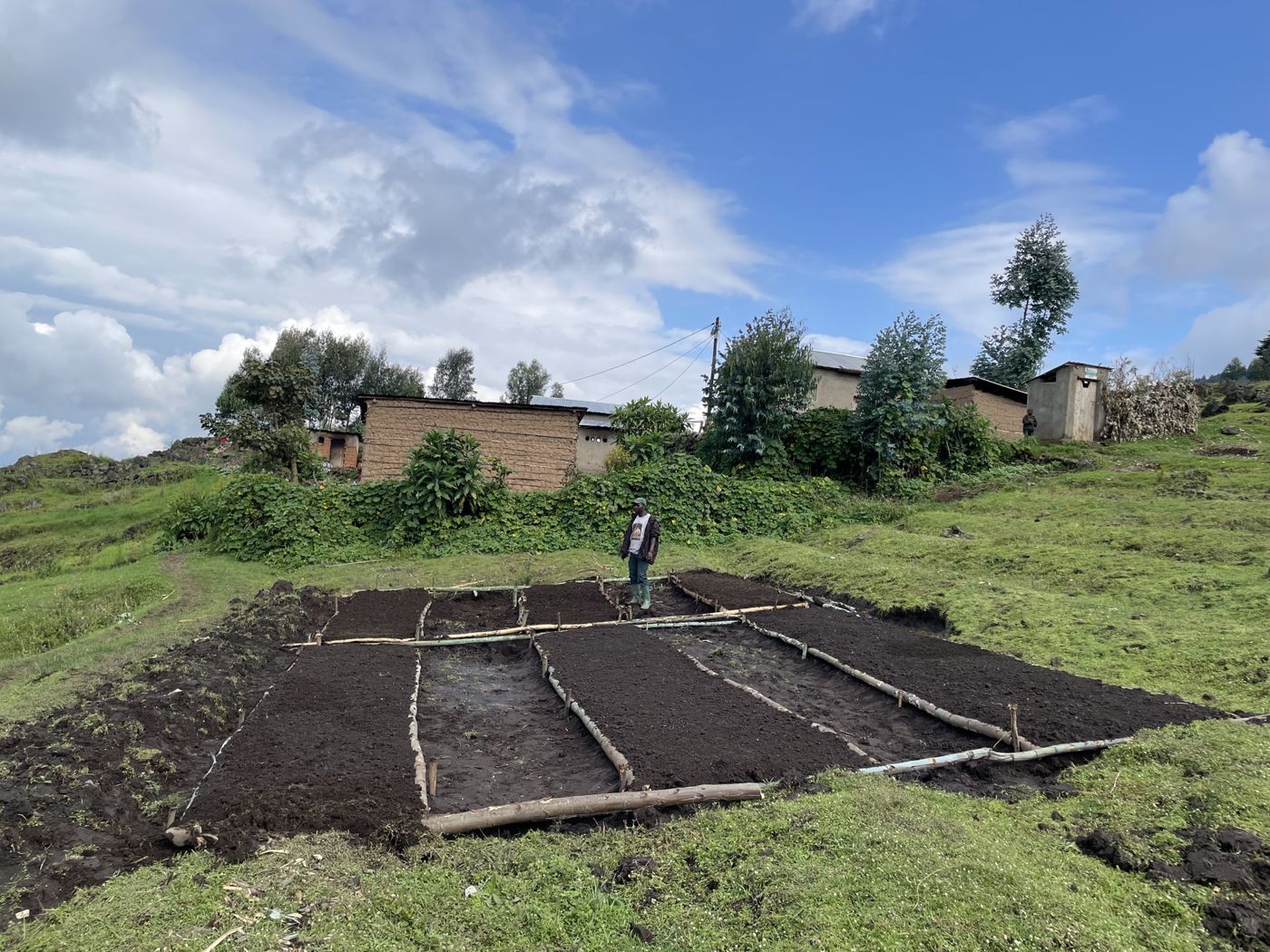
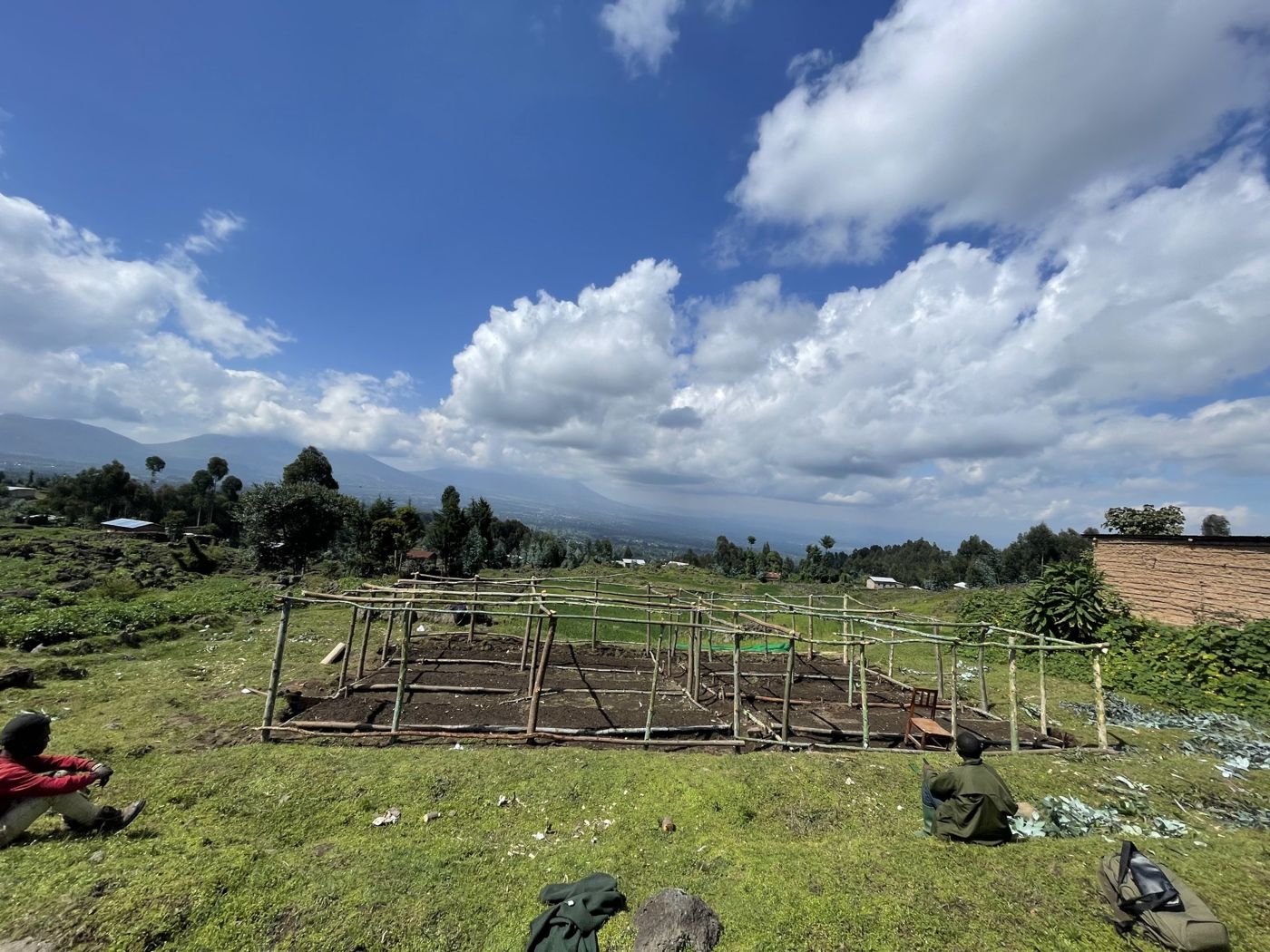
Clearing the land
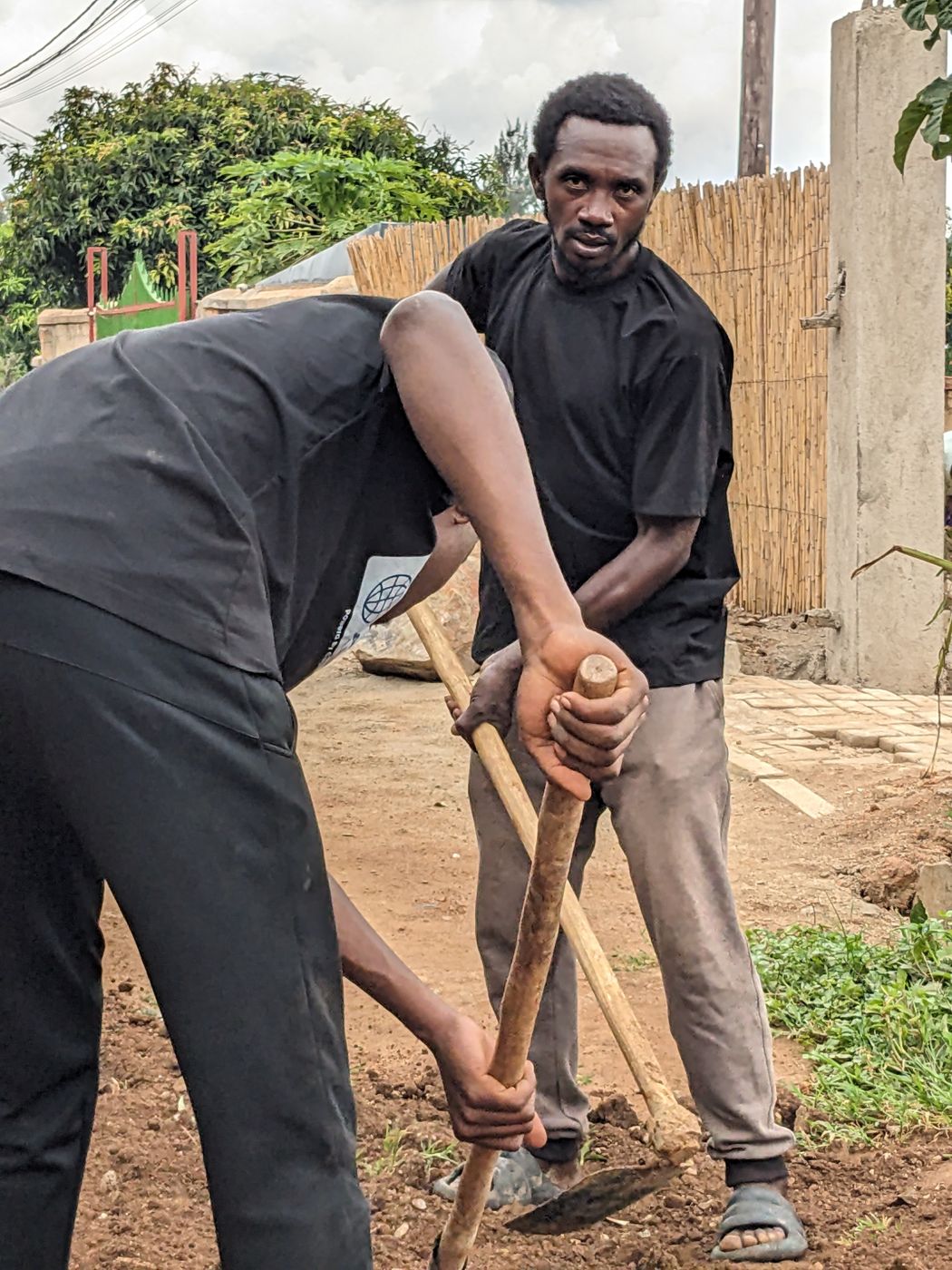
Beds dug and marked out on the hillside.
May
Raising the frame
Poles go up for the nursery shelter.
June
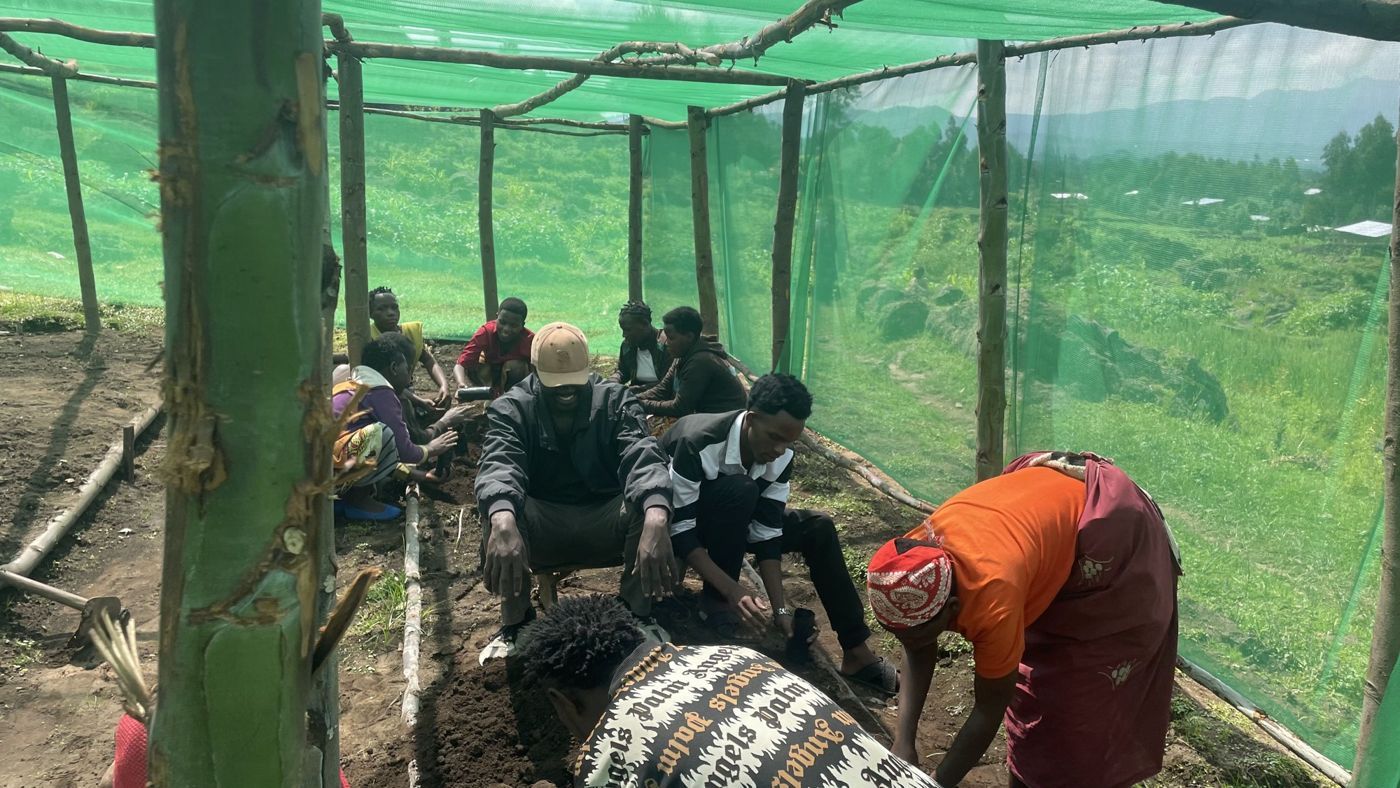
Netting and neighbours
The shelter is covered and the community arrives.
June
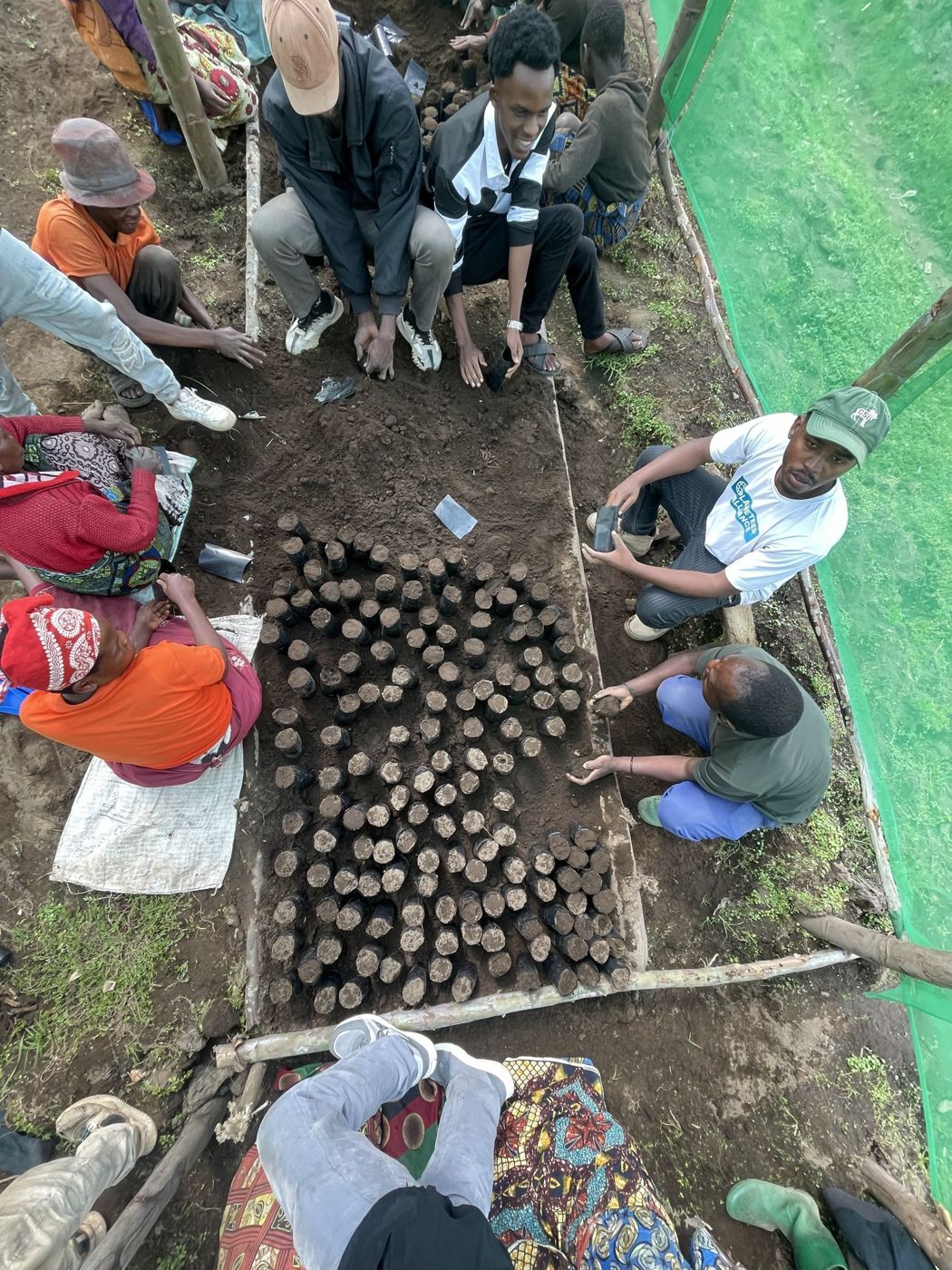
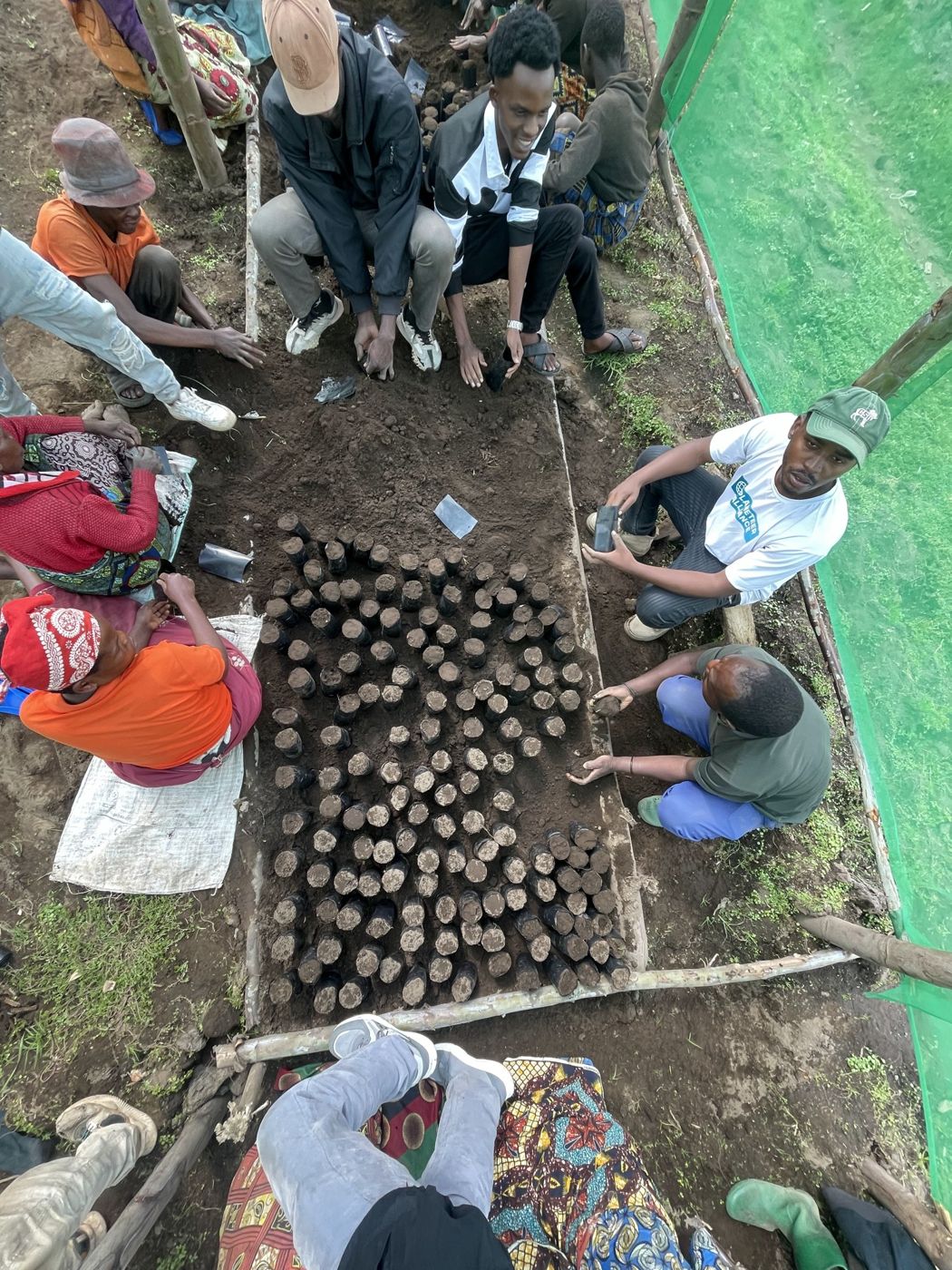
Seedlings in rows
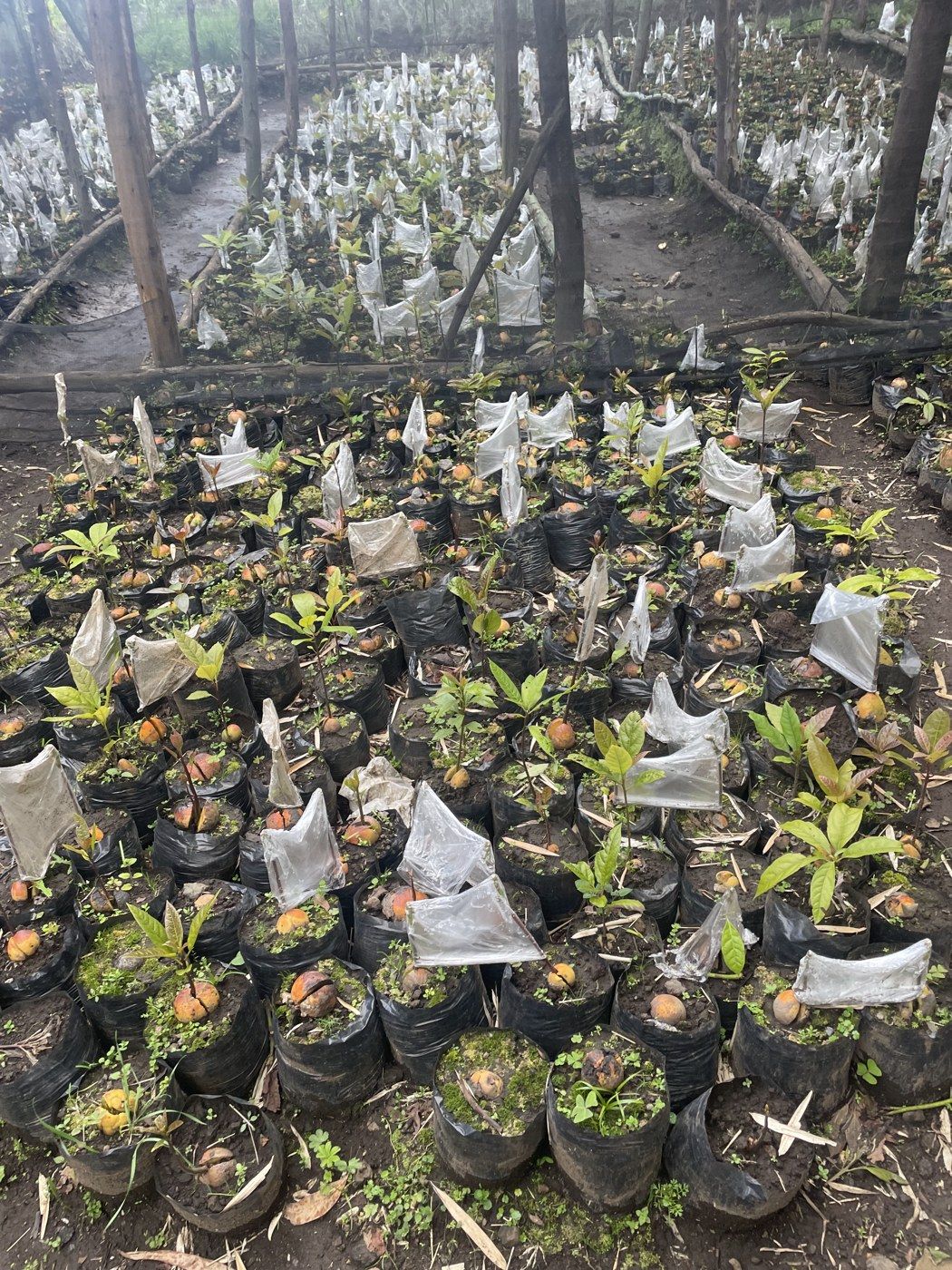
Pots filled and planted, ready to grow.
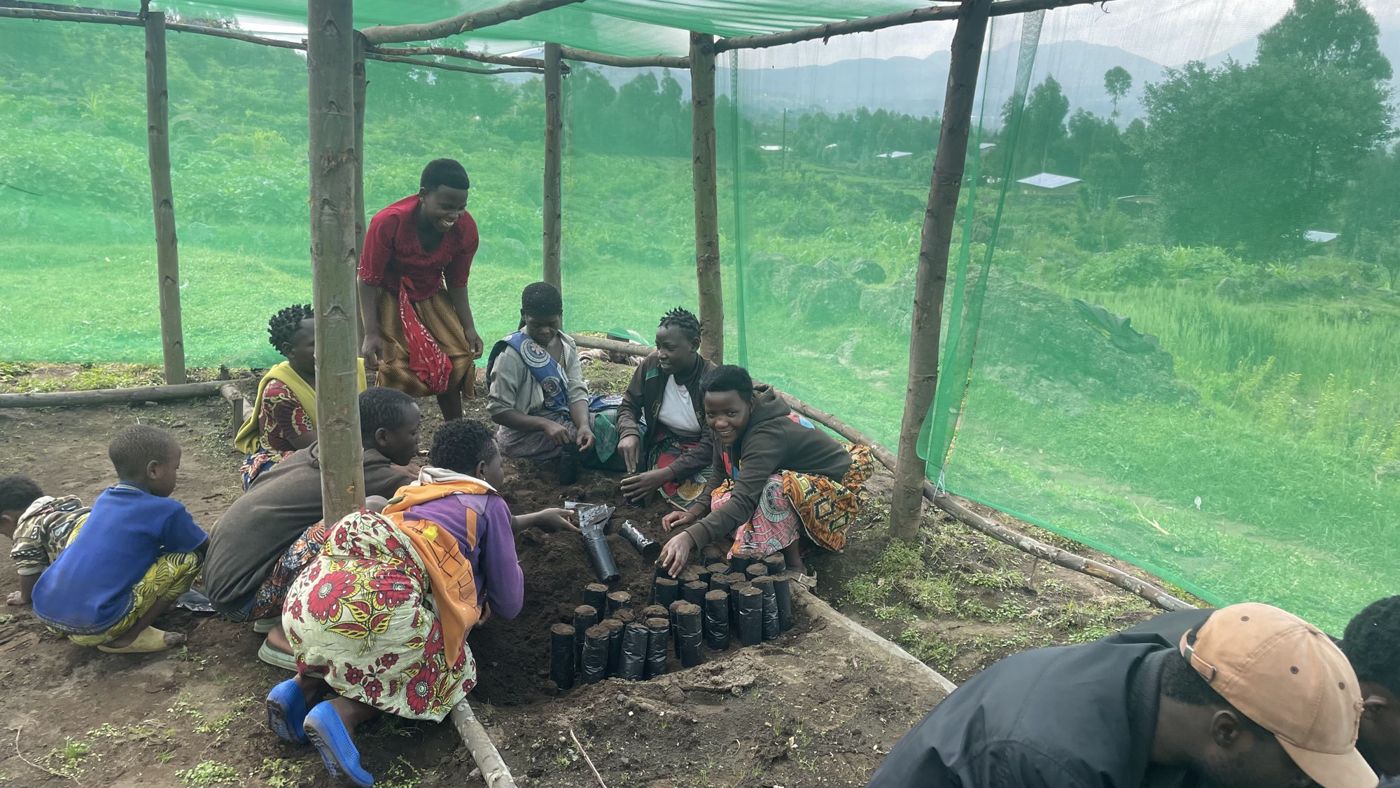
Inside the plant nursery
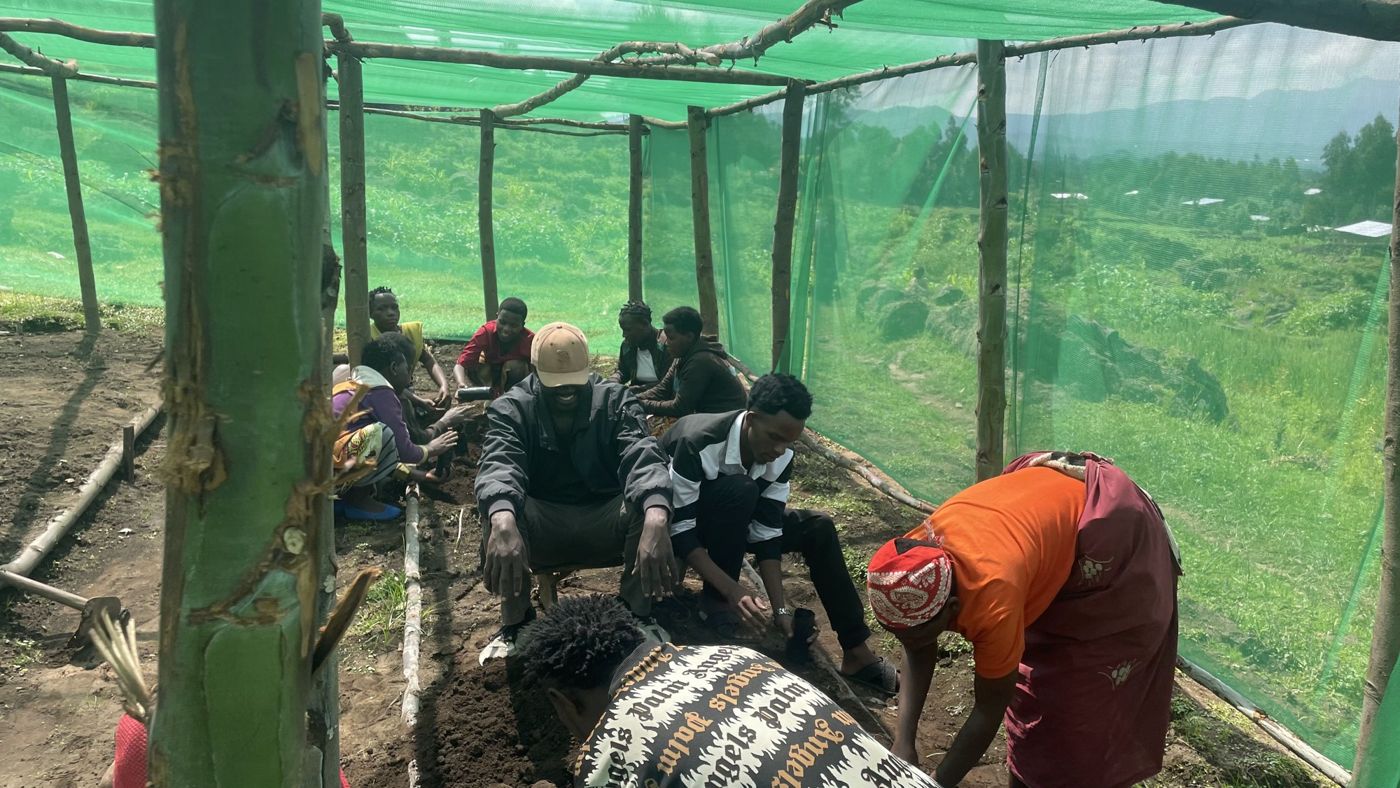
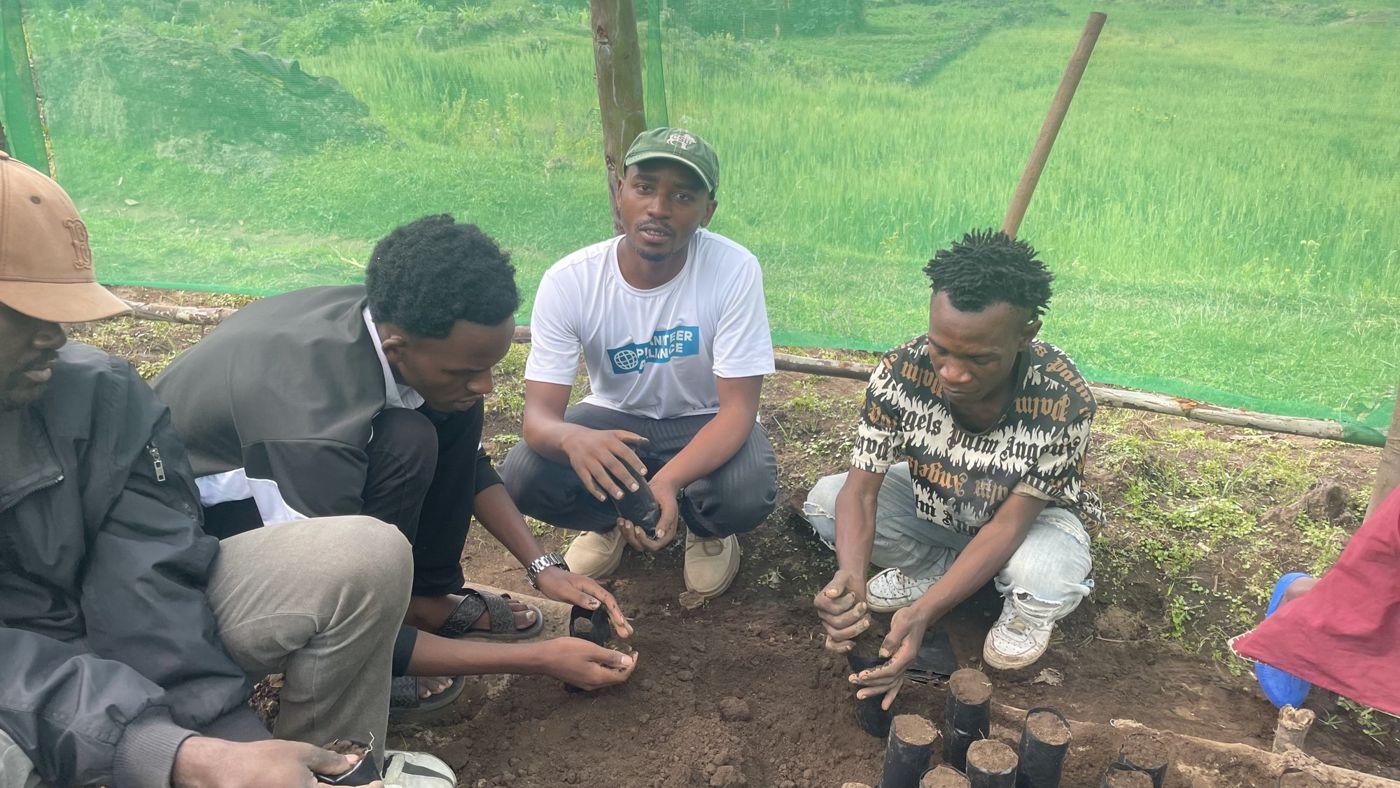
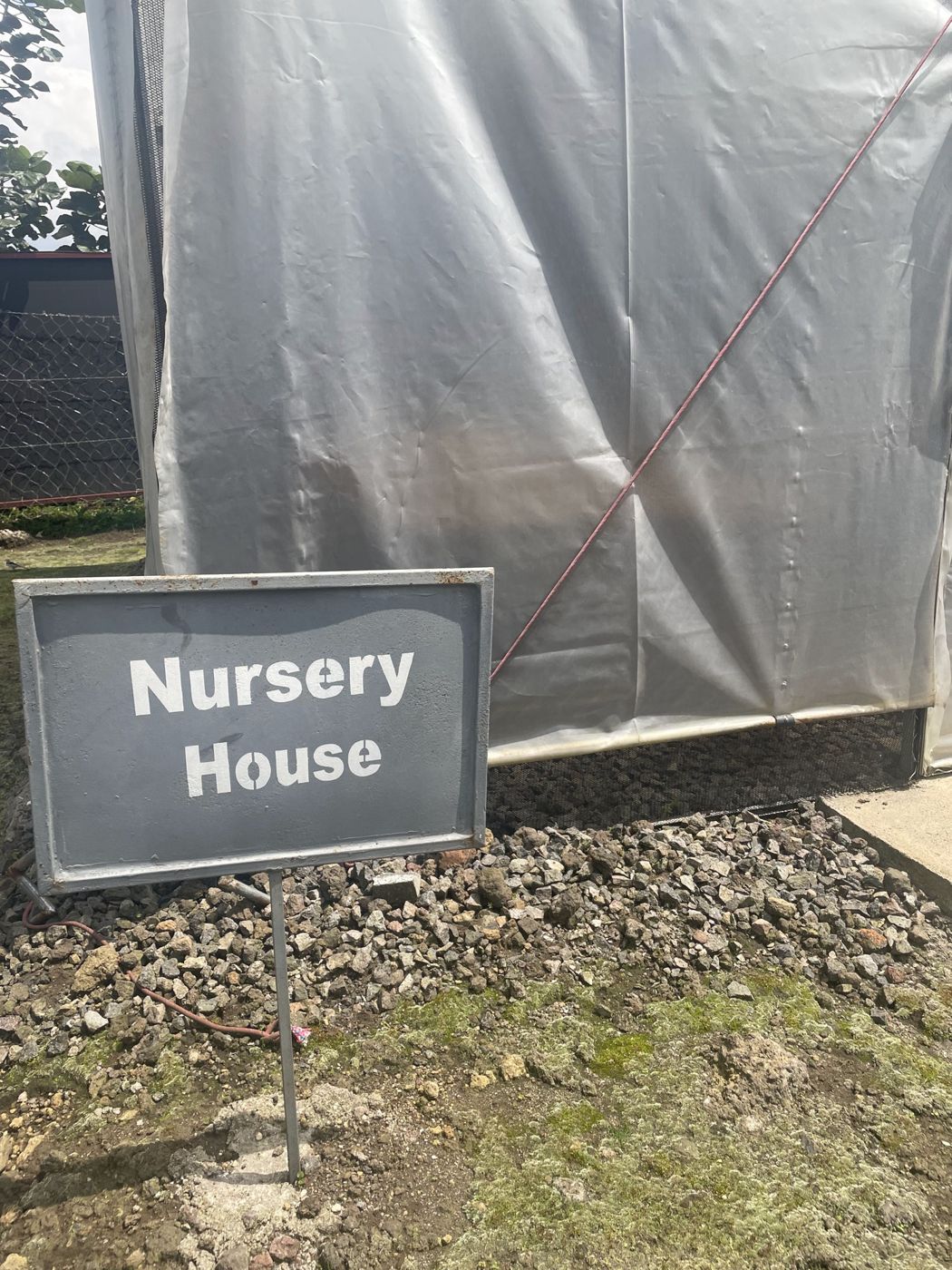
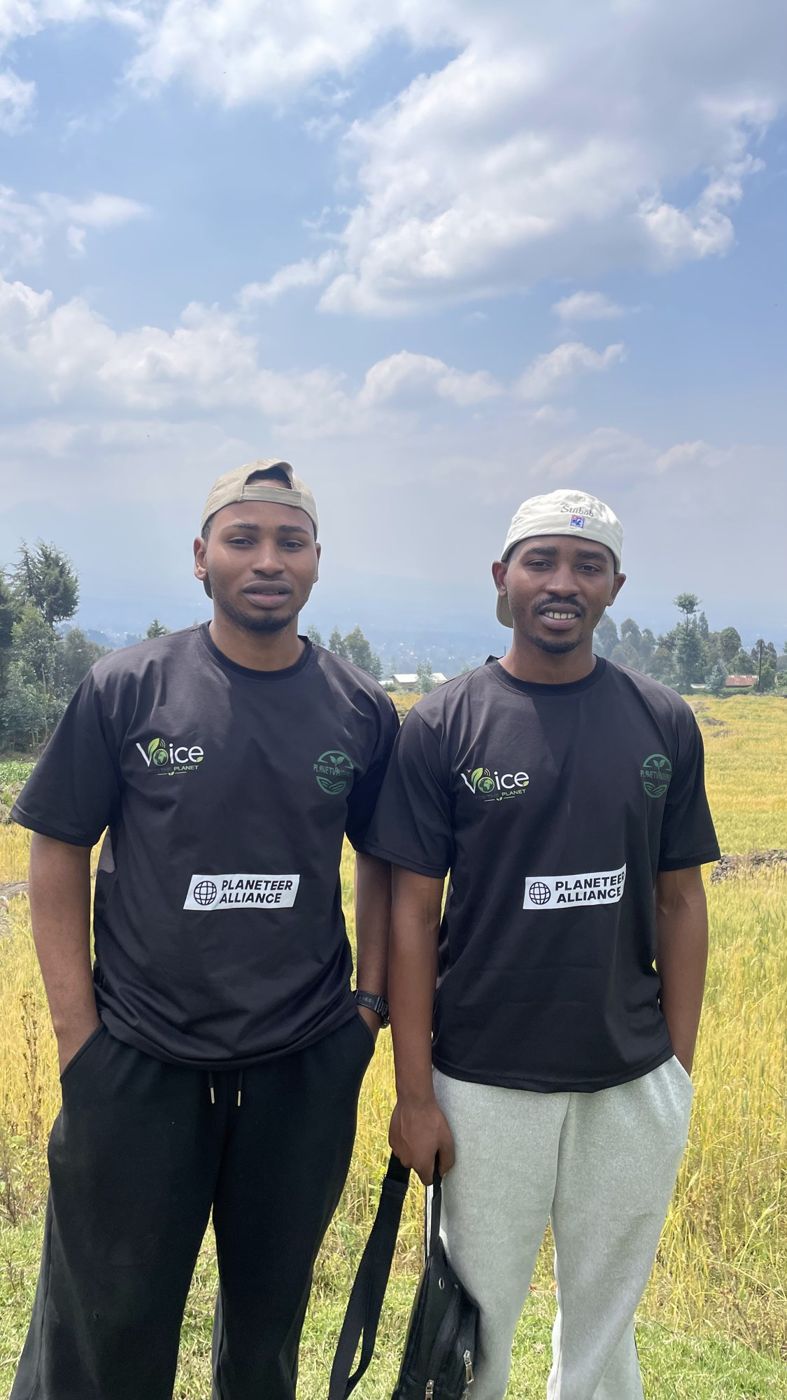
Filling seedling pots togetherA bed of seedlings taking shapeInside the nursery shelterYoung hands at workThe Nursery HouseThe Voice for the Planet team
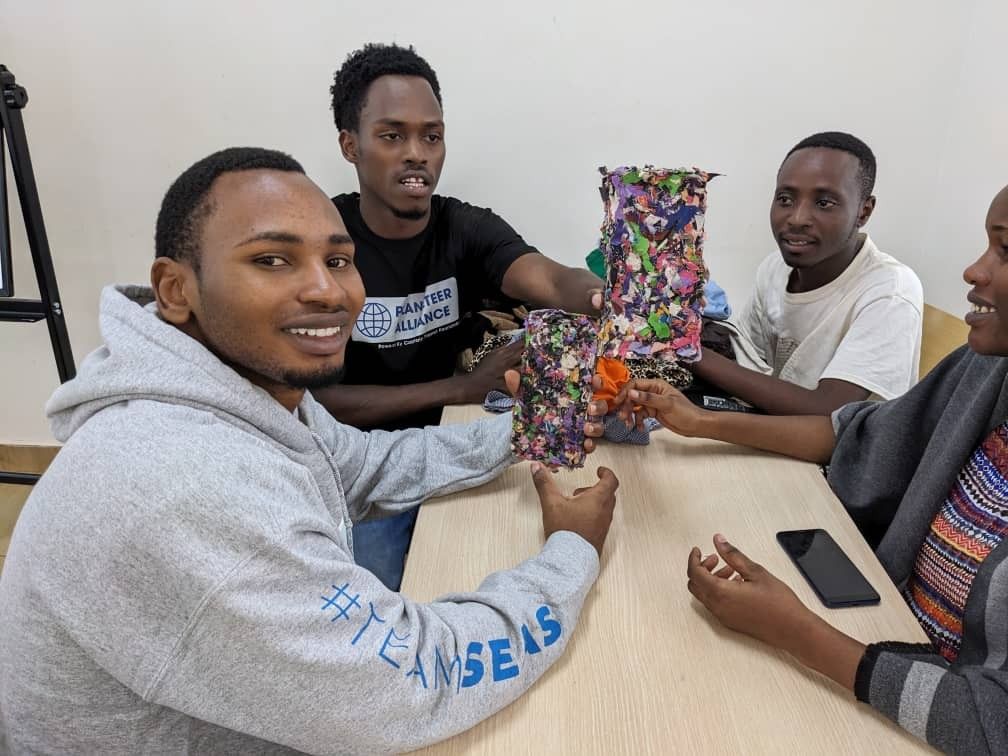
Eco-Innovation Hub
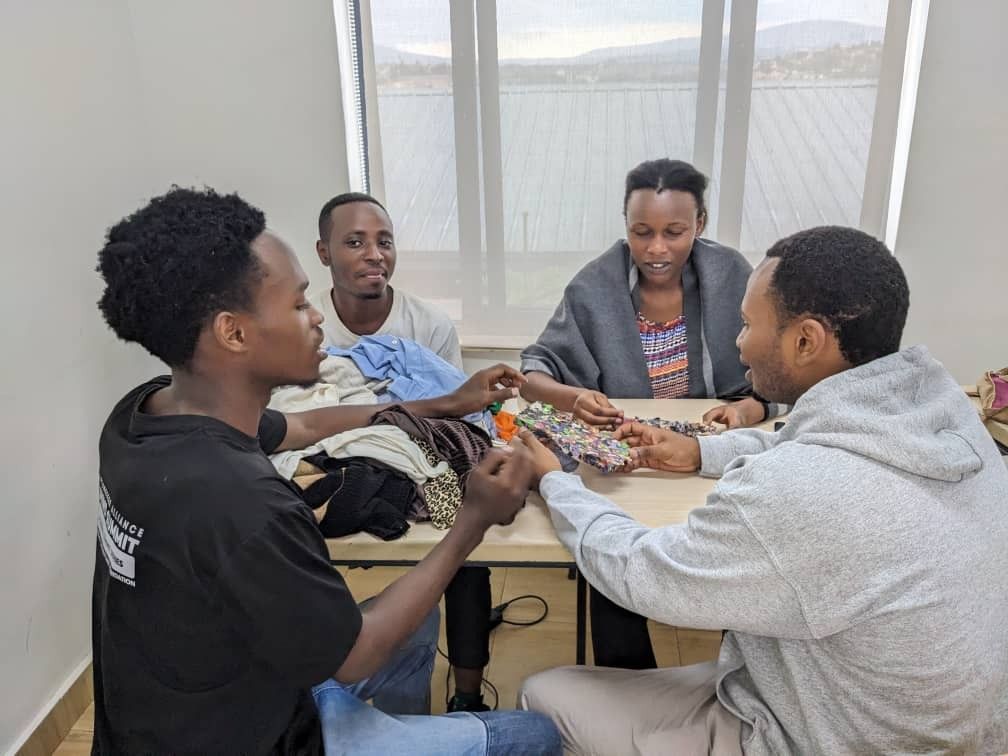
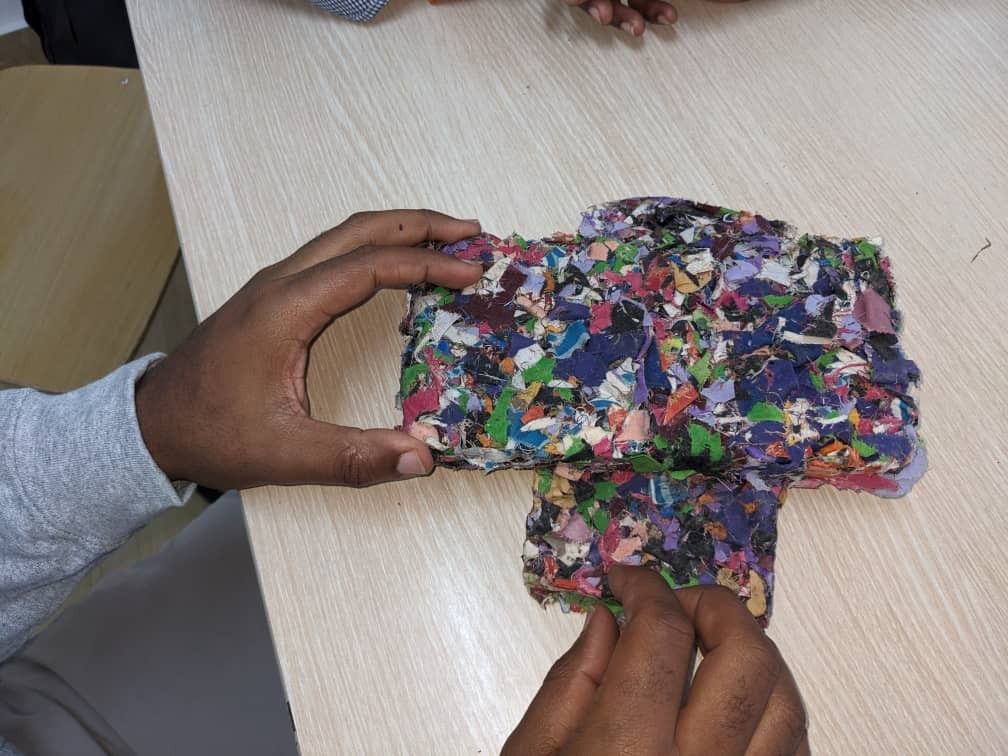
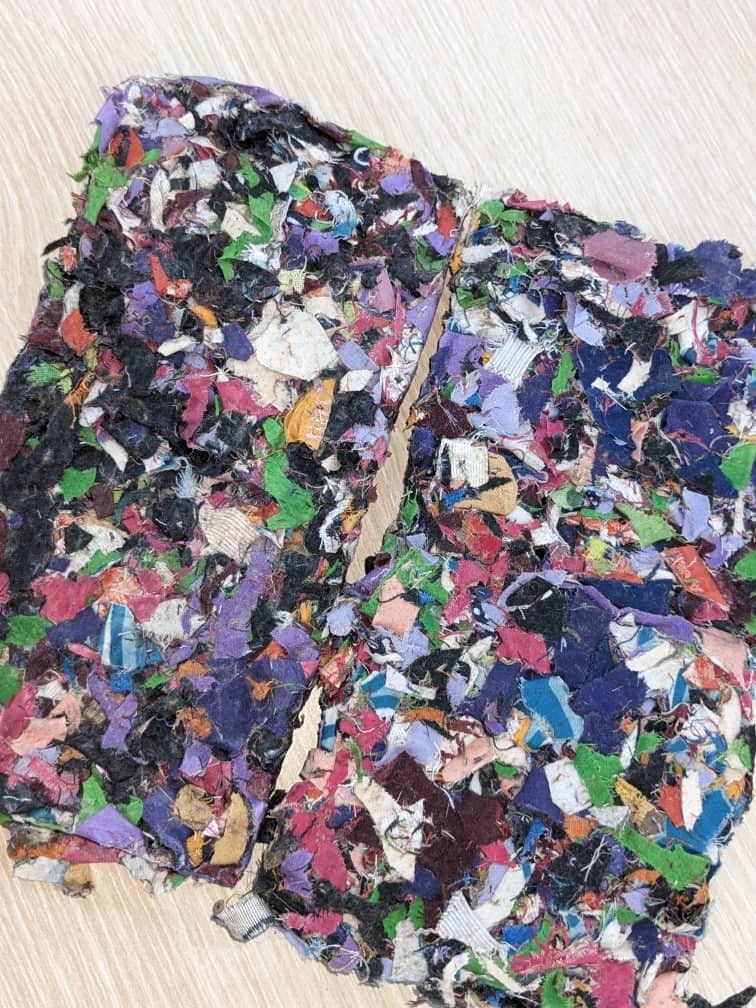
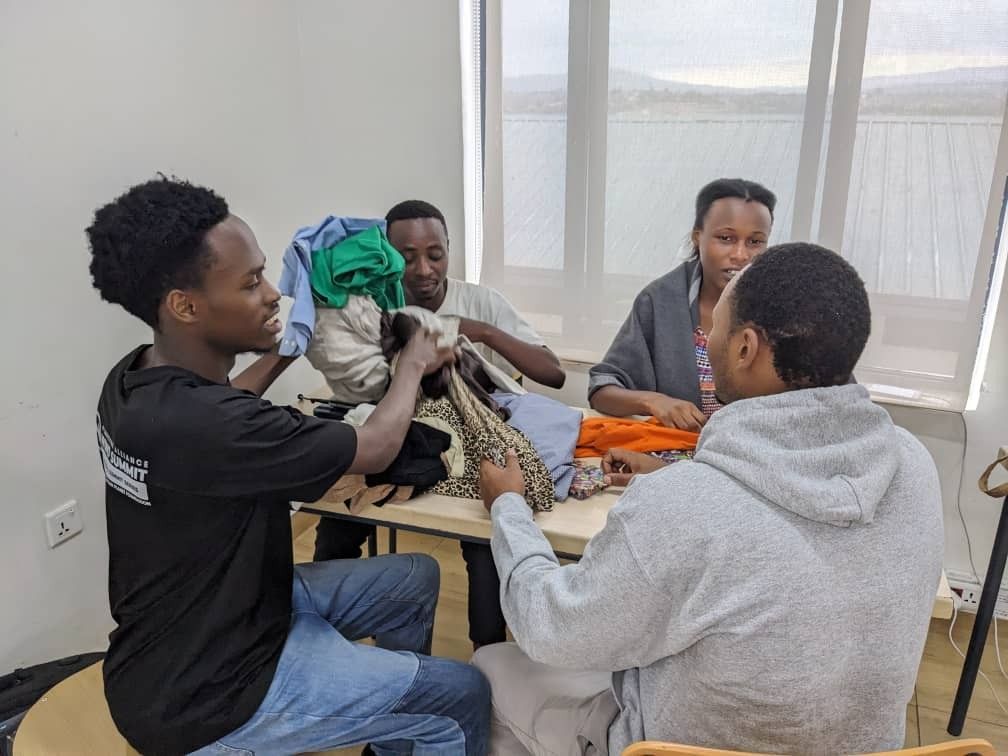
Blocks made from waste fabricSorting fabric scrapsScraps pressed into a blockThe finished materialChoosing what to reuse
Climate Future Champions
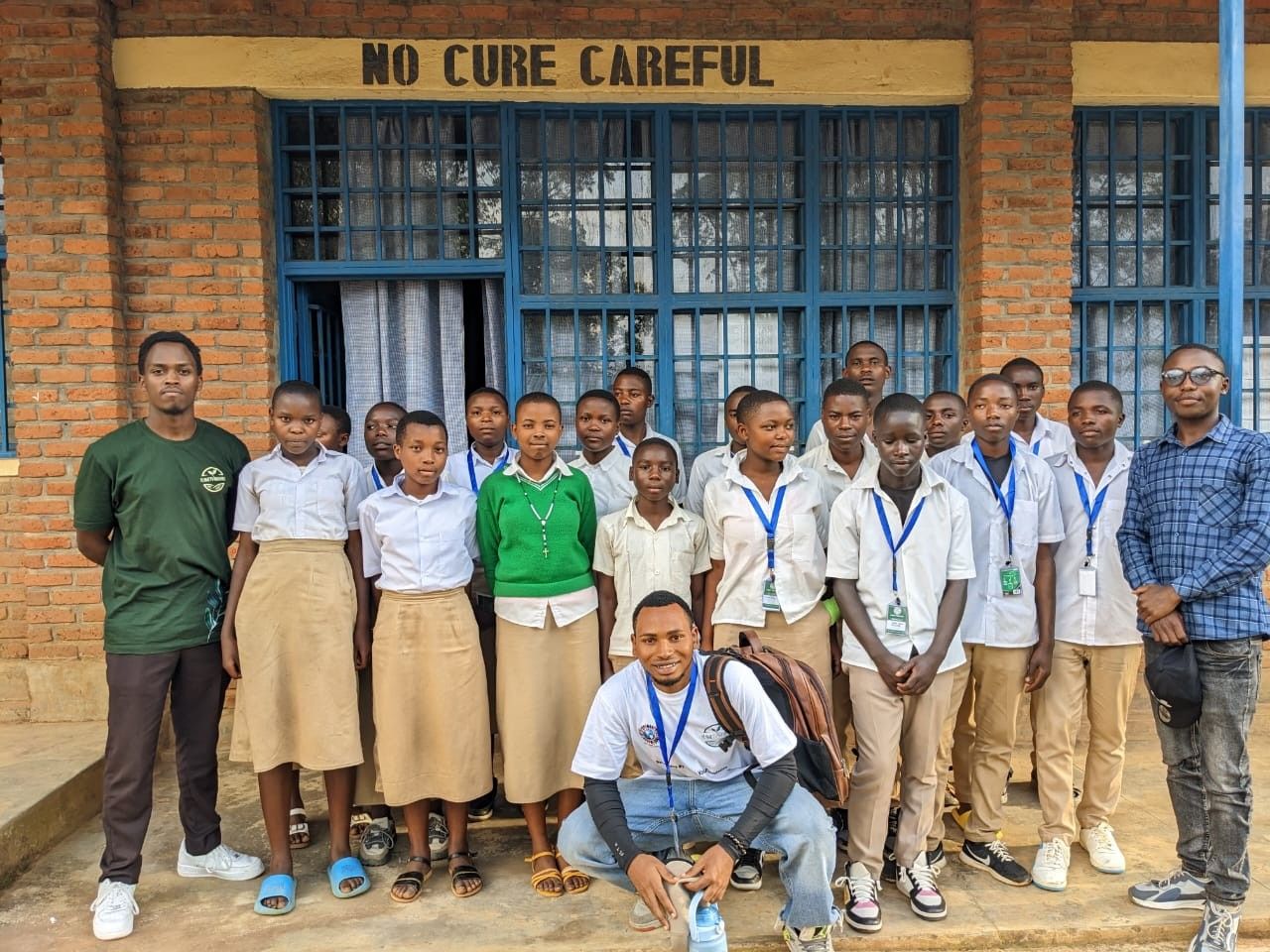
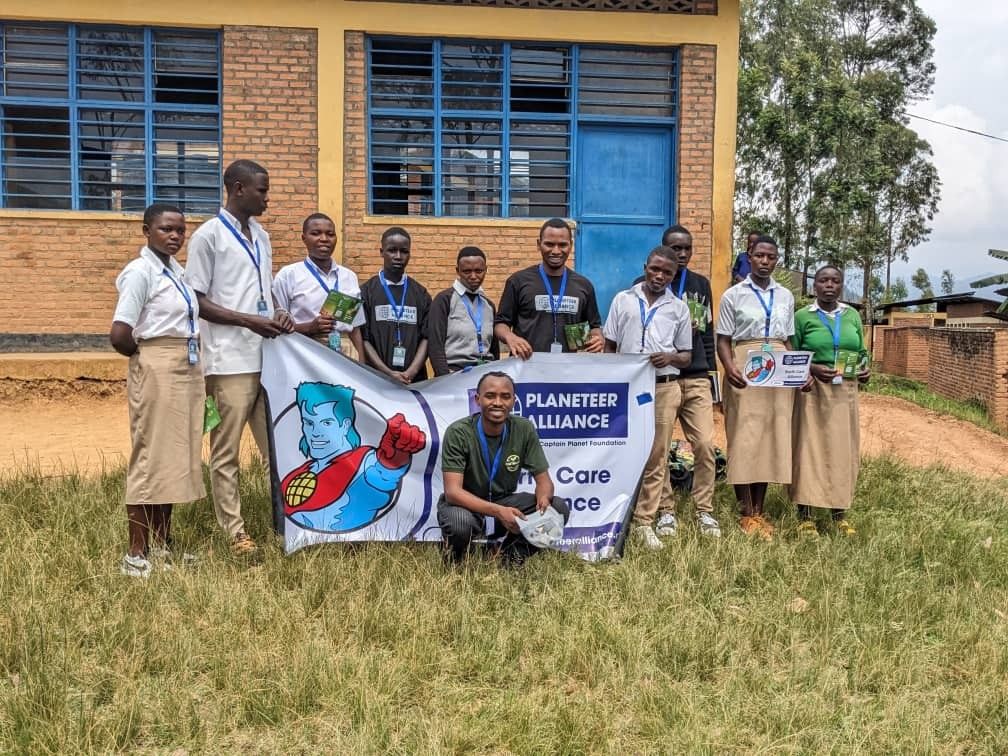
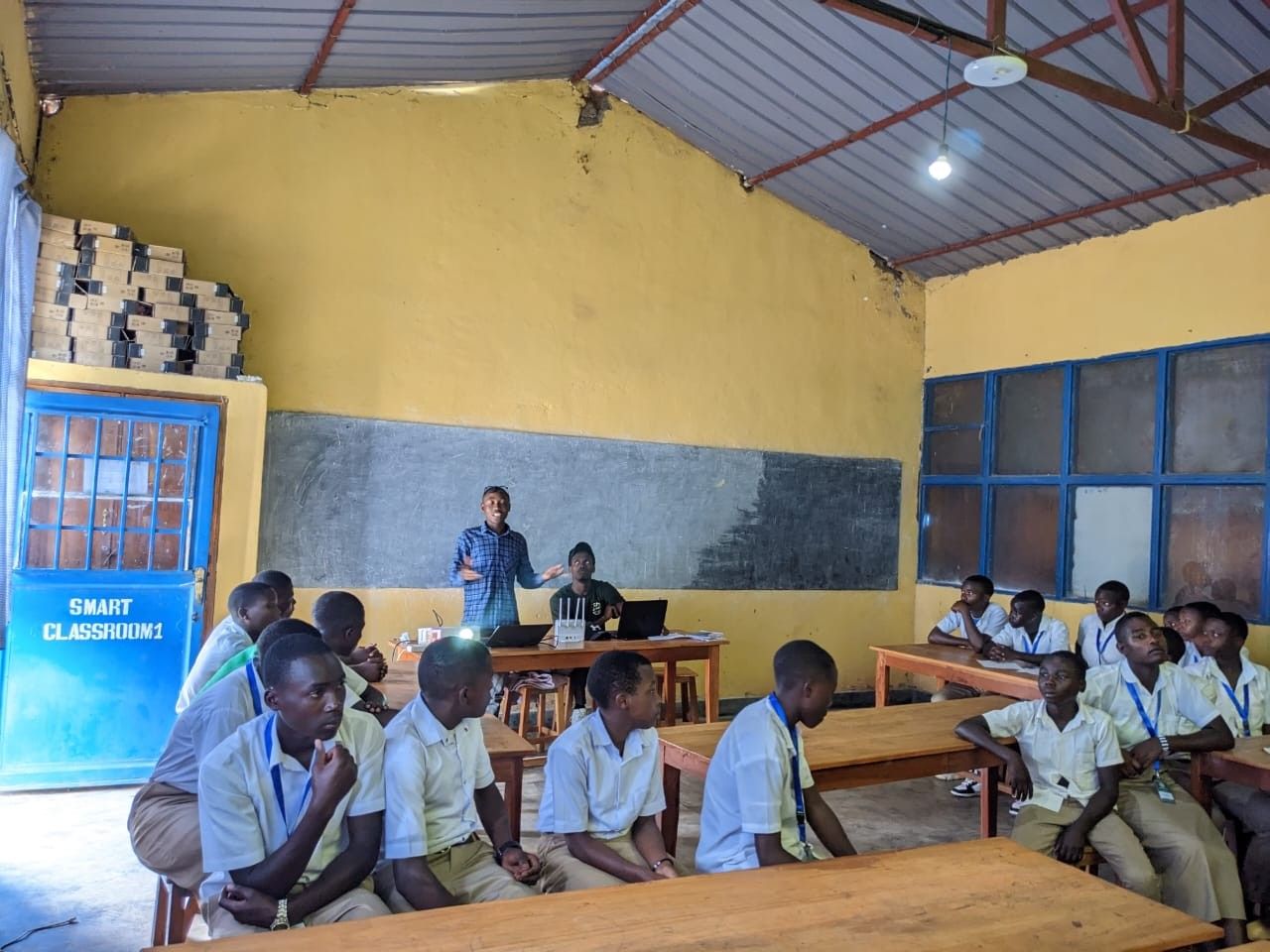
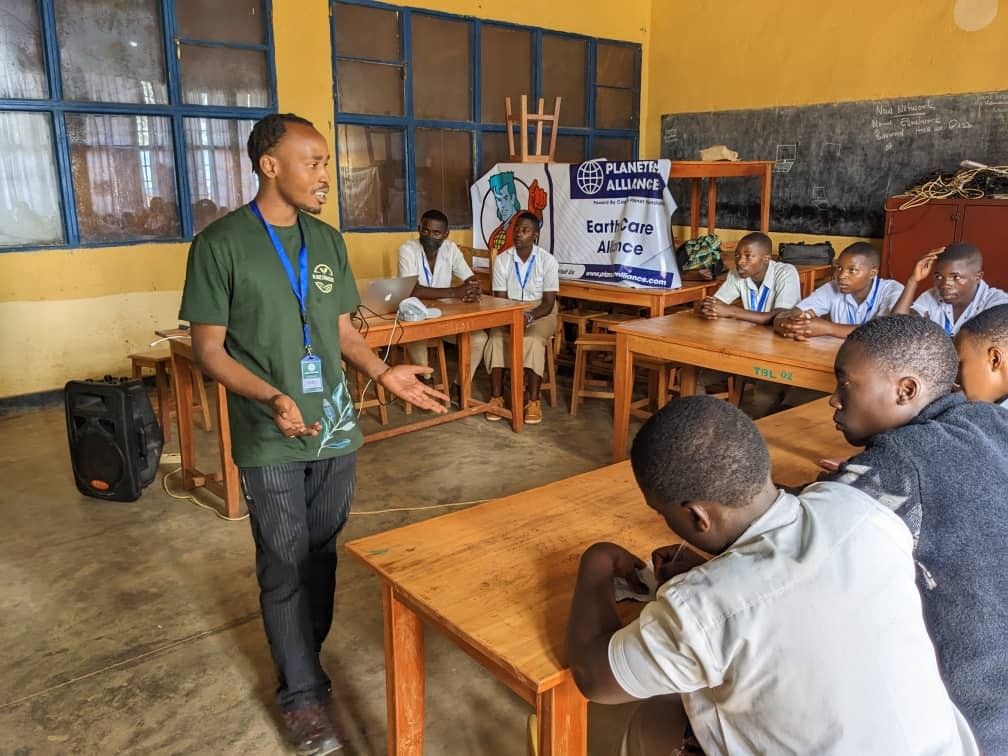
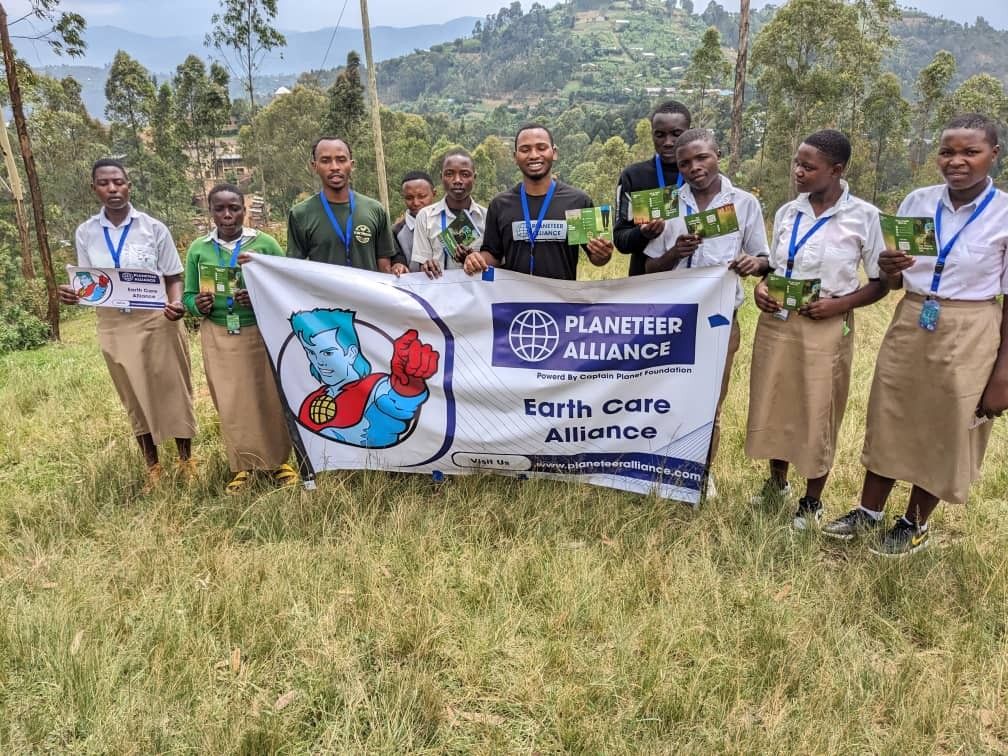
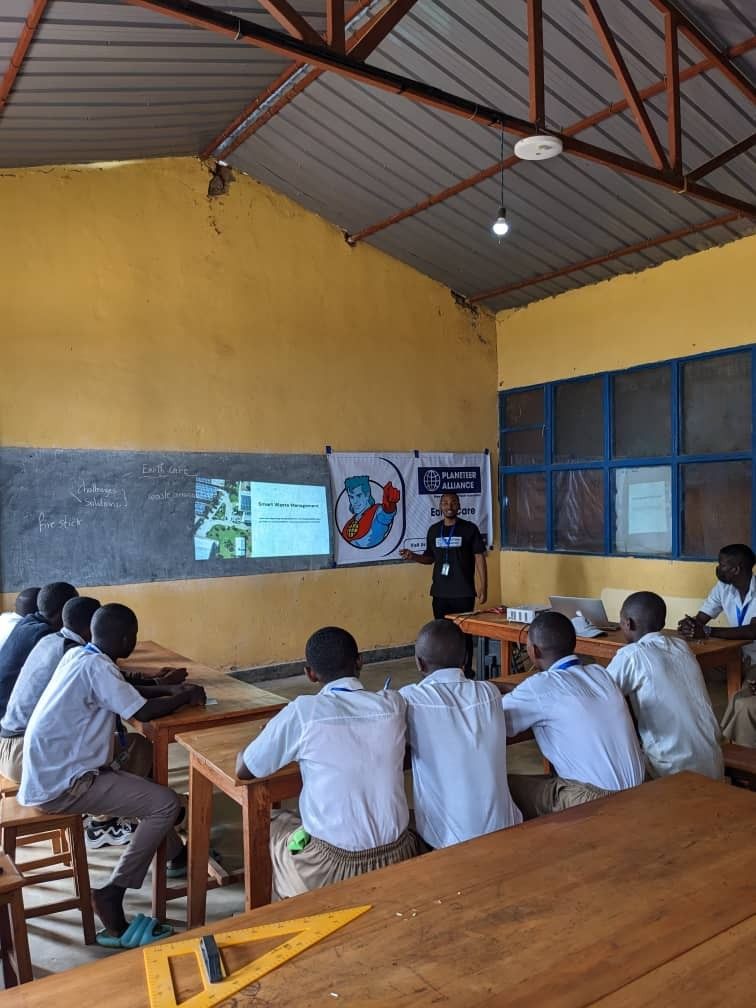
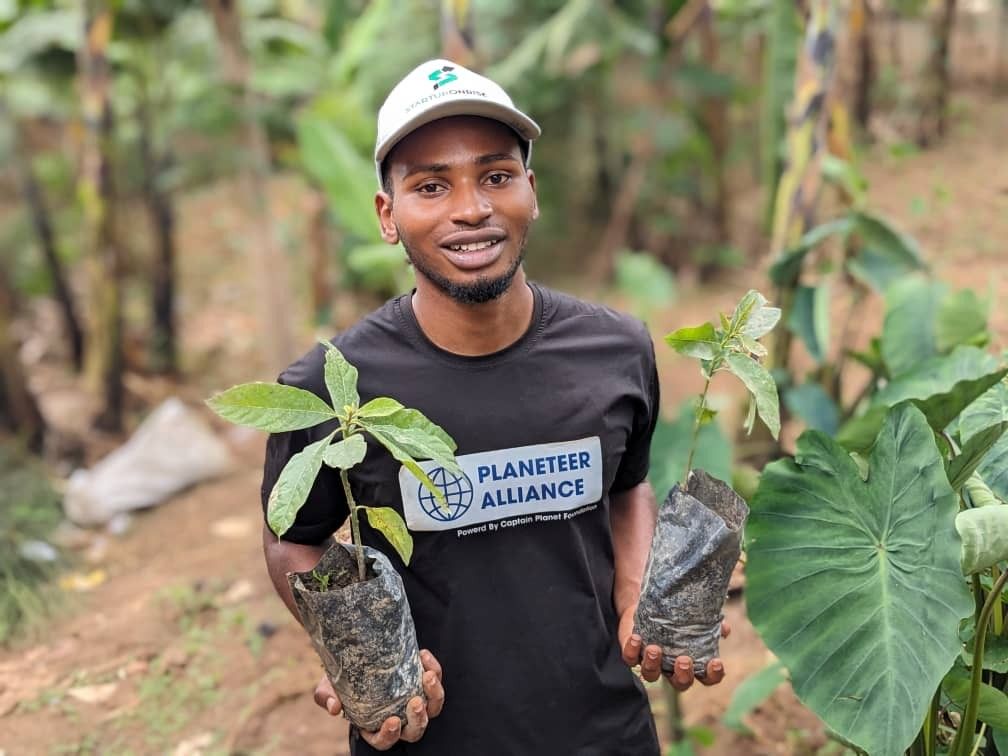
Students and facilitators with seedlingsLesson in the smart classroomClimate lesson in classStudents with the Earth Care Alliance bannerLearning about wastePlanting day
Community work days
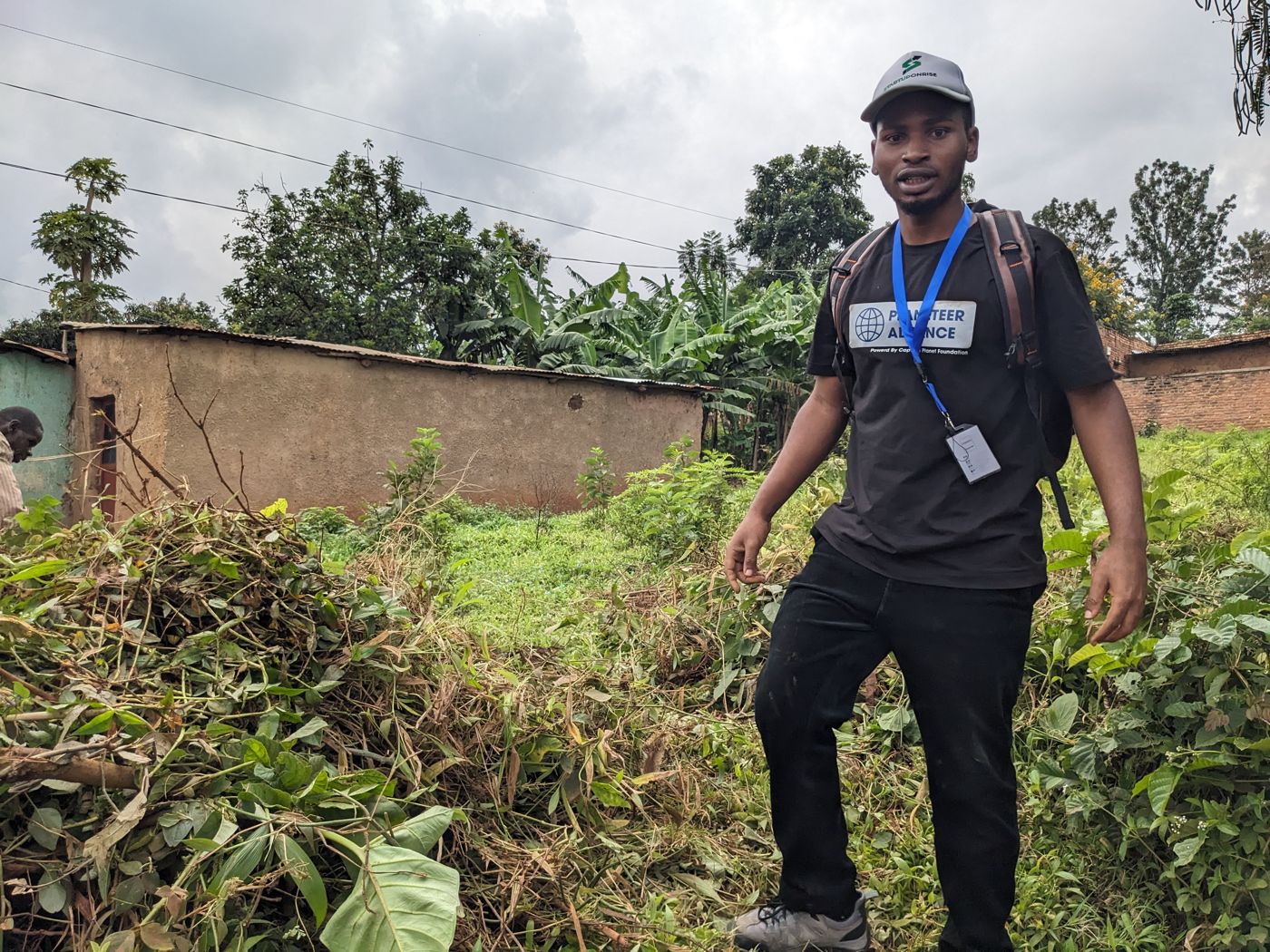
Clearing land and digging beds, March 2025.
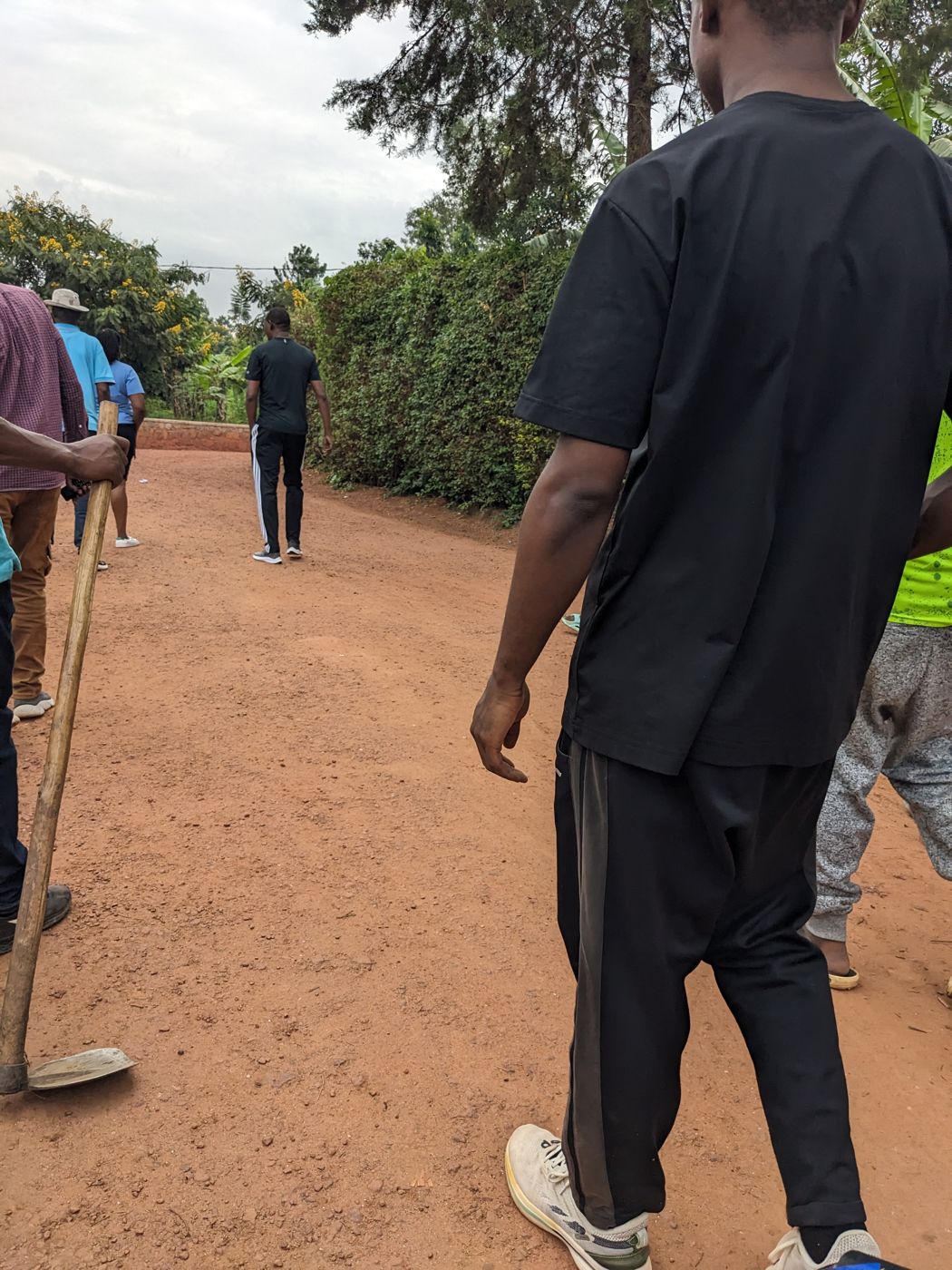
On the way to the siteClearing overgrown landBreaking the soil
Trees in the ground
Donated trees are raised in our own nursery and planted with the communities who will look after them.
Seedlings ready to plantRaised in our nurseryPlanted with students
Young people in Africa will live longest with the climate crisis, yet they are rarely asked to lead the answer. We give them tools, trees and trust, so solutions grow from the communities that know the land best.
How change grows
Listen
It starts with listening. We visit communities and hear what they need before we plan anything.
Learn
Young people learn the science and the skills, in school clubs, mentoring and workshops.
Build
They turn waste, land and ideas into real solutions, with mentors beside them.
Gather
Summits bring everyone together, so one community's idea becomes many.
One short email when we publish. No spam, and you can leave any time.
Chapter II
Evidence you can check
Papers, reports, policy briefs and working papers, each with its authors, methods and sources in view.
Loading publications…
No papers or reports have been published here yet. We list a publication only when its authors, methods, sources and permissions are ready to be checked. Have research to share? Propose a research contribution.
Every publication includes
Title and authors
Who wrote it, and in what role.
Abstract and keywords
A short summary and the terms to search by.
Date and version
When it was published and whether it has changed.
Methodology
How the work was done, and its limits.
References
The sources behind each claim.
Download and citation
A PDF where available, and a recommended APA 7 citation.
Our research agenda
The question behind our own study. This is a study design, not a set of findings.
Our research question
How can youth-led climate innovation hubs promote environmental sustainability through art and culture in rural communities?
Musanze and Burera districts, Rwanda
Why we ask
Conventional climate education often fails to engage rural youth, leaving a gap in climate action at community level. We test whether music, storytelling and visual arts can raise climate knowledge, empower young people and encourage lasting change in behaviour.
How we study it
A mixed-methods design: surveys to measure climate knowledge and engagement, then interviews, focus groups and observation to understand the story behind the numbers.
Who takes part
Secondary school students, community artists, educators and local leaders, invited through local youth organisations and hubs.
How we protect people
Informed consent before anything begins. Taking part is voluntary and anyone can withdraw. Names are replaced with codes, and data is stored securely and destroyed when no longer needed.
We welcome original articles and research. Clear writing and honest sourcing matter more than titles.
Submission guidelines
Send a short pitch, or a full article if it is ready. A pitch says what your central idea is, why it matters, and who should read it.
Essays and perspectives: about 800 to 1,500 words.
Research explainers: about 1,000 to 2,000 words, with references.
Field notes and interviews: about 600 to 1,200 words, with consent for quotes and photos.
Write for your reader
Our readers are young people across Africa: students, organisers, teachers and curious newcomers. Write for one of them, someone who cares about their community but has not studied your topic. Explain terms, and use examples from places they know.
Open with a reason to keep reading. Start the first two or three sentences with a person, a scene, a surprising fact or a question. Avoid openings like “In today’s world…”.
Let curiosity do the work. Raise a question early and answer it as the piece unfolds. Follow one thread, use specific detail, and end with something the reader can do or wonder about.
Read like a good novel, stay true like good research. Tell it as a story, and keep every fact checked.
Cite in APA 7th edition
Cite sources in the text as (Author, year) and list every one at the end, in alphabetical order, in APA 7th edition style.
Journal articleAuthor, A. A., & Author, B. B. (Year). Title of the article in sentence case. Journal Name in Title Case, volume(issue), pages. https://doi.org/xxxx
Report or web pageOrganization or Author, A. A. (Year, Month Day). Title of the page or report in sentence case. Site or Publisher. https://…
What we publish
Essays, analysis, interviews, opinion, climate stories, culture and society, innovation and sustainability, and environmental policy. Research papers, reports and policy briefs go to the research library.
Editorial standards
Support factual claims with sources, cited in APA 7th edition and listed at the end.
Keep facts and opinion apart, and say which is which.
Disclose affiliations, funding and conflicts of interest.
Get consent from the people you write about, and credit your photos.
What happens next
You send your submission. Nothing appears publicly.
An editor reads it and replies by email.
If it is a fit, we edit with you and agree changes.
We publish it with your name and short biography.
Submitting does not guarantee publication. We may edit for clarity, accuracy and length.
Stories from our programmes
The work behind the photos, told in words.
Voice for the Planet: the seedlings are growing
The nursery that began as an empty plot is now full of young trees. Rows of seedlings stand in their grow bags, planted by hand, with clear covers to shelter the first shoots.
The team walked the beds to see how the seedlings are doing and what needs care next.
When the work is done, we celebrate it together. Everyone who filled a pot, carried soil or watered a bed is thanked with music and dancing, because that is how we say we noticed and we are grateful.
Voice for the Planet: growing a nursery from bare ground
Voice for the Planet, led by Emery Cyabahire, began with an empty plot and a simple idea: if young people raise the seedlings themselves, the trees have people who care whether they live.
Since then the plot has become a working plant nursery. Neighbours and team members fill pots with soil, sow and tend the beds, and a shelter now covers the young plants. A sign marks the Nursery House.
Every tree you donate comes from this work. The project is ongoing, and we will add new posts as the seedlings grow.
Climate Future Champions: learning climate science in class
Climate Future Champions takes climate education into schools. Facilitators teach students in their own classrooms, from how waste can be managed to what a changing climate means for their communities.
Lessons do not stay on the whiteboard. Students also go outside to plant, holding seedlings together with their facilitators.
The aim is simple: young people who understand the problem are the ones who solve it.
Vanguard Earth Summit 2026: young people leading the conversation
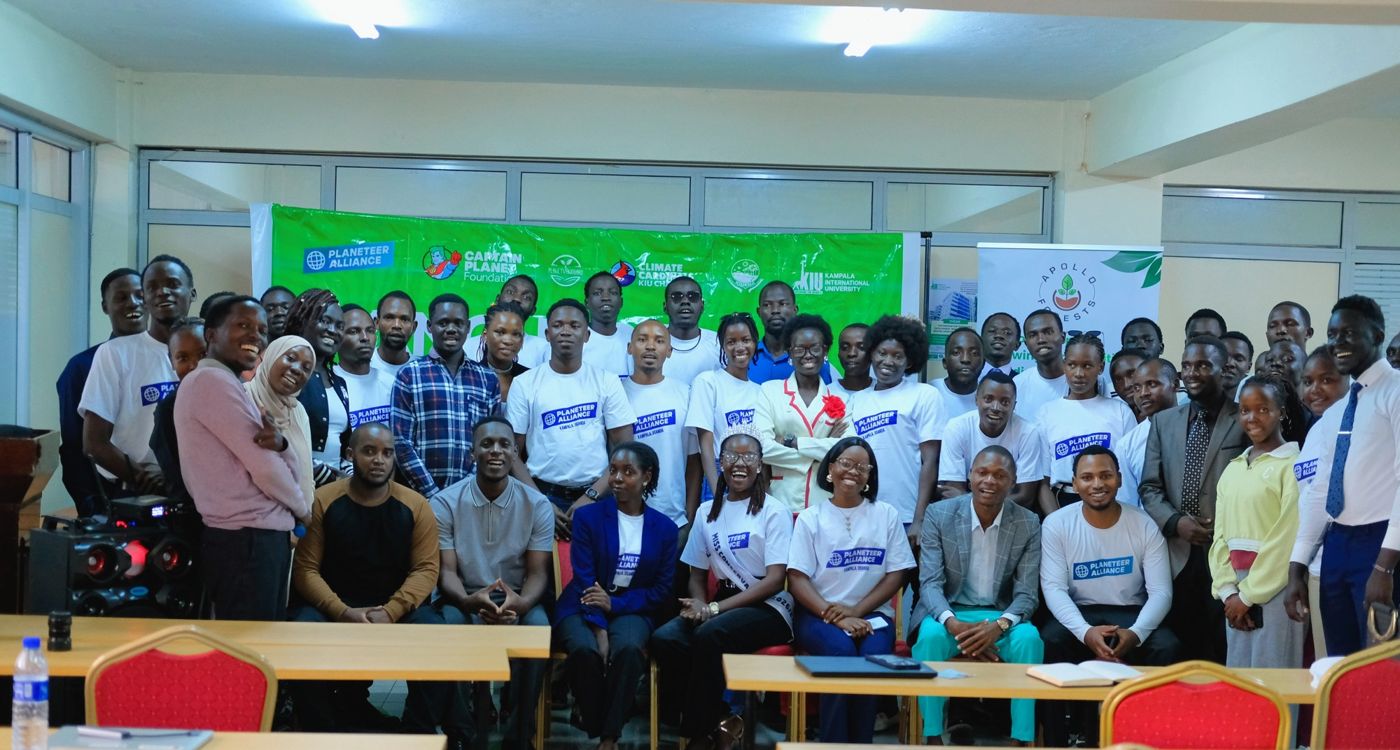
The Vanguard Earth Summit 2026 brought young people together to talk about climate action and to share what they are building in their own communities.
A circular economy summit followed in the same spirit: practical ideas about reusing and rethinking what we throw away.
Before there are seedlings, there is work. In March 2025 volunteers walked out to an overgrown plot with hoes, cleared the brush and began breaking the soil.
Nothing about it is glamorous, and that is the point. Every nursery and every planted tree starts with people who show up to do the hard part.
Climate change is a story about people. This is ours, and how young people across Africa are writing it.
Young people should not only learn about climate change. They should build the solutions, using their skills, culture and lived experience in the places they call home.
Planet Vanguard is a youth-led climate action organization working across Africa. We believe young people are not just the leaders of tomorrow but active changemakers today. Climate solutions must begin at the grassroots, while connecting to global efforts for long-term impact.
We connect young people through their talents. Whatever skill or ability you have, you are welcome to use it to solve a problem in your community.
Our vision
A world where young people make climate action a culture of creativity, responsibility, and opportunity.
Our mission
To empower young people to lead creative climate action that transforms communities and builds sustainable futures.
Why Planet Vanguard matters
Our approach is low-cost but high-impact, so it can be repeated in other communities. Most activities run on volunteering, partnerships and youth creativity.
Youth drive the solutions
Young people lead, rather than only take part.
Local action, global goals
Africa's youth voice reaches international climate dialogues.
Awareness with action
Education, advocacy and hands-on innovation work together.
Networks that connect
Schools, communities, NGOs and international partners strengthen the climate movement.
Climate action grows where art, culture and innovation meet.
Environmental change is a story about people. Culture shapes how communities relate to the land, creativity helps ideas travel, and innovation makes them last.
Observe
Look closely at local environmental challenges and the knowledge communities already hold.
Innovate
Use creativity, culture and technology to design practical solutions.
Impact
Put solutions into action with communities and track what changes.
Our people
The people who lead Planet Vanguard.
Our editorial standards
A publication earns trust by showing its work.
Information is accurate and checked, and sources are cited in APA 7th edition so readers can verify them.
Authors are named, and every piece carries a clear publication date.
Facts and opinions are labelled apart.
Errors are corrected openly, with a note saying what changed.
Authors disclose conflicts of interest.
Communities are represented with consent and respect.
Images are used with permission and credited.
Nothing is published without editorial review.
Our programme concepts
The ideas our work is organised around. Where a programme has run, we publish what happened as a field note. We do not claim results we have not documented.
Voice for the Planet
Environmental storytelling, creative expression and youth voices. Read the nursery story.
Global Classroom
Knowledge exchange and environmental learning.
Eco-Innovation Hub
Developing and exploring youth-led environmental ideas. Read the field note.